
| USER AG-86 |Technically, my interest in TR-49 began long before then, with an interest in Alan Turing going back to high school.
It started with a teaser, as many good things do. (And inkle, specifically, knows how to tease a good tease.)
I was decidedly average at math and science growing up, but I loved puzzles and cracking codes, and to this day, still do. Cracking codes and making connections are the bread and butter of TR-49, out today on Steam and the Apple App Store.
The game opens on a World War II computer. You’re Abbi, and the voice on the other side of the microphone is Liam. You’re not sure what you’re doing here until Liam tells you your mission is to find a book, but the only piece of information he knows about it is the title. And soldiers are getting oh-so-close to his location.
Between you and that book, however? An intricate web of books, various academic journals, and letters that have been fed into the machine over 50 years. (Literally fed. The archive, called TR-49, eats the items it ingests.)
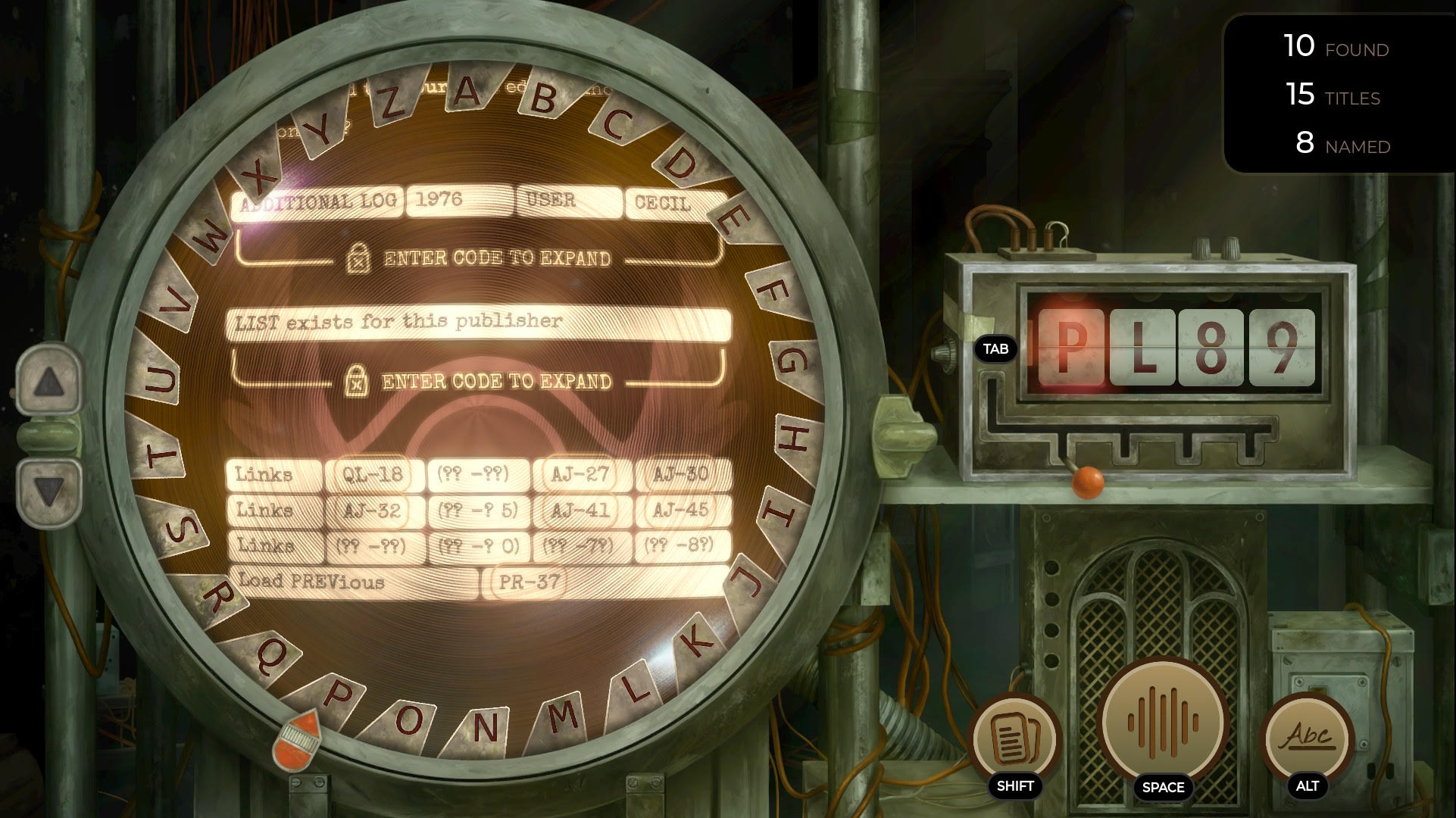
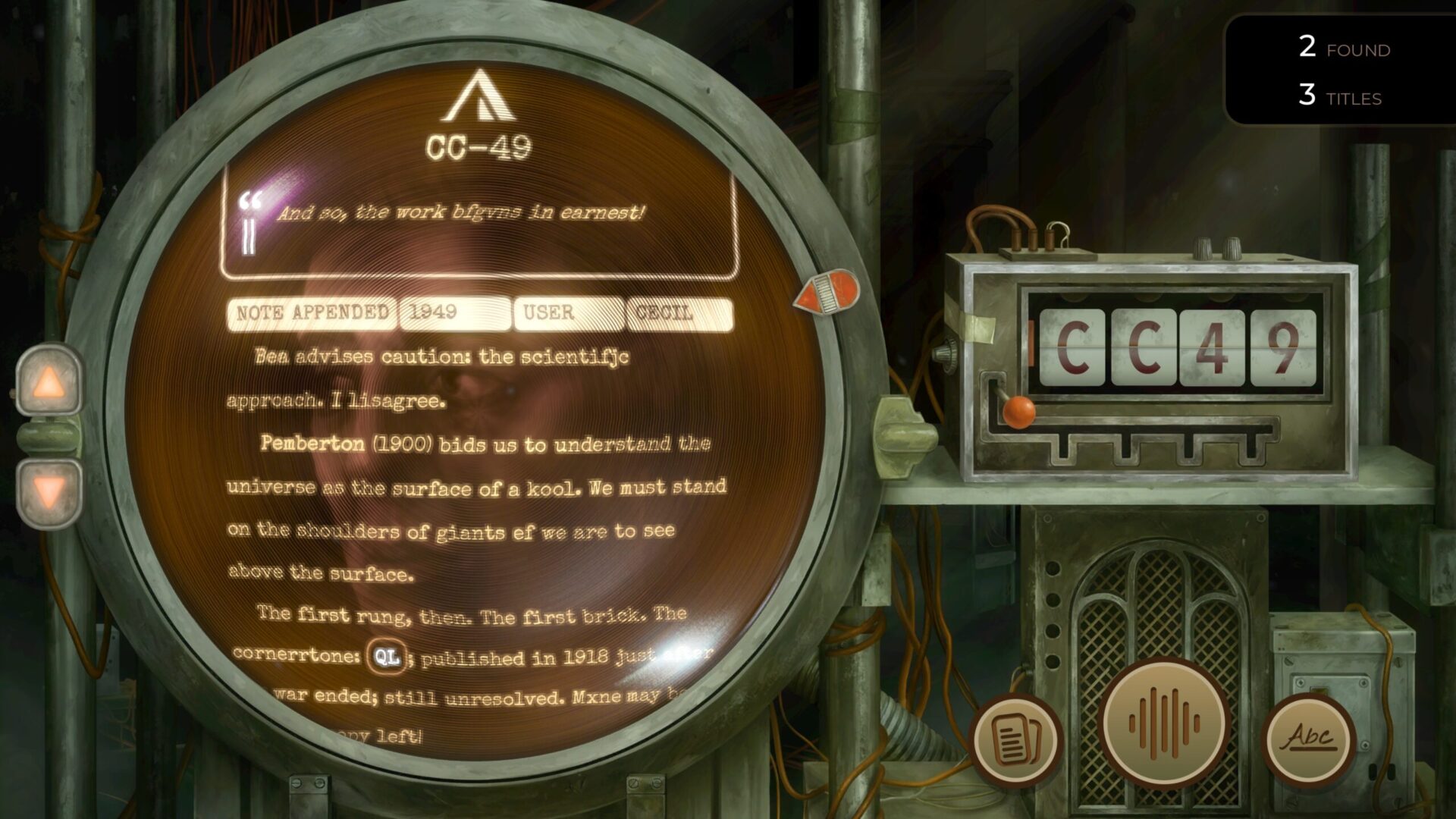
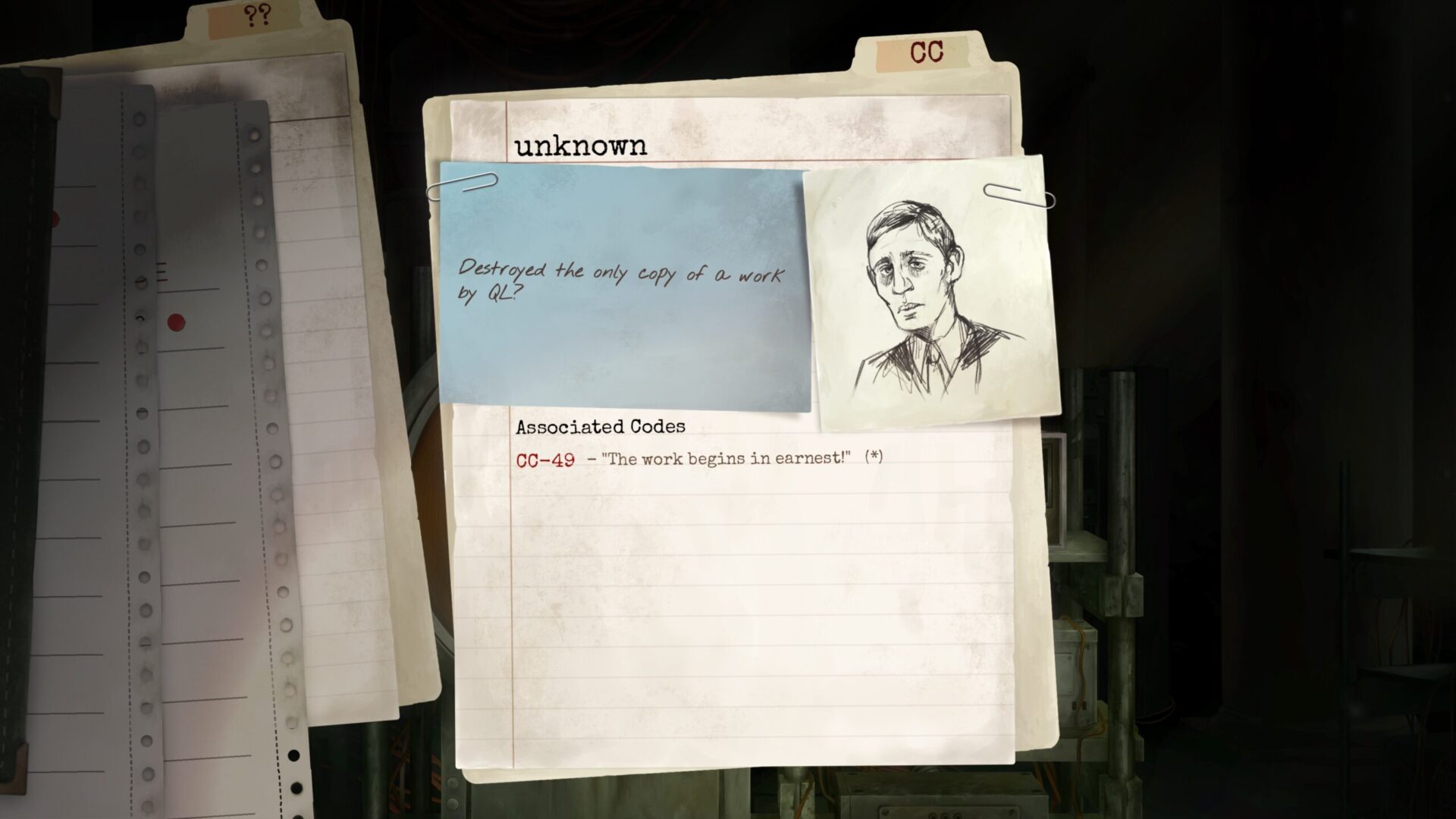
Starting from the final entry in the archive, you branch out, expanding your list of items and document codes. It’s all gibberish until you match up the correct code to the proper document, unlocking more knowledge and potentially more codes and sources. There are letters and numbers sprinkled throughout the pages, and it’s your job to match them up into specific combinations, like TR-49, to unlock more documents until you find what you’re looking for.
I’ve played lots of games recently where I’ve been tasked with doing detective work, and I’ve loved them all. In TR-49, though, I was one step away from ordering a deerstalker hat and a pocket magnifying glass; that’s how satisfying it was when a document cleared, and I was able to read it in full.
As much as I loved it and as much as it made me feel like a Minnesotan Sherlock Holmes, the strength of TR-49 isn’t the seemingly “simple” gameplay. It’s the attention to detail. The details of each work in the archive, how they played into Abbi’s directive, how the authors of the works inside the system tied into each other, how the works tied into the creators’ story, and even how their child felt about the archive. It was such a delicious web to untangle that I wanted seconds. Thirds, even. And because of how the game branched and how the machine itself worked, I was able to get that. (Without going too far into it, the end may not necessarily be The End.)
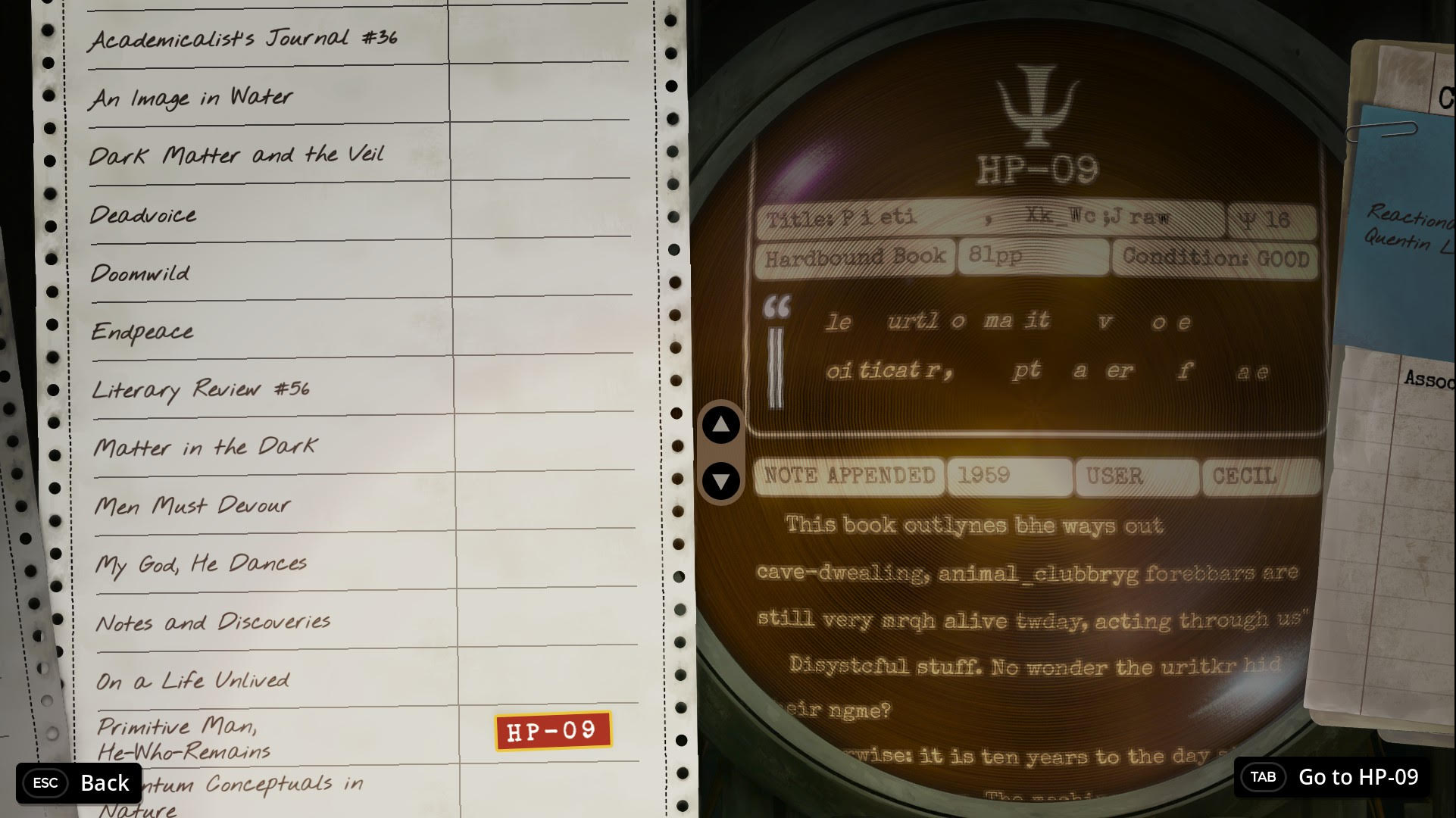
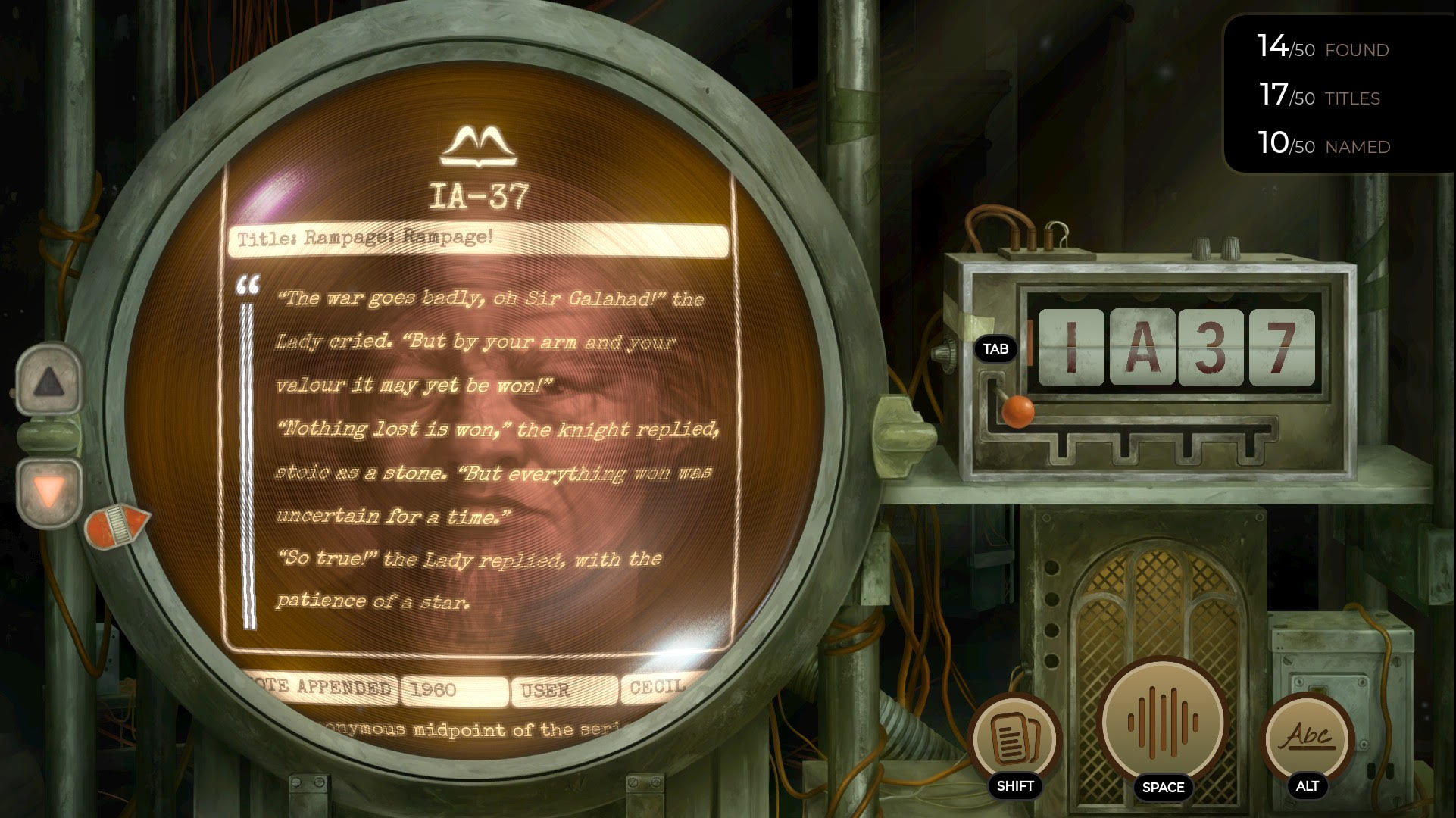
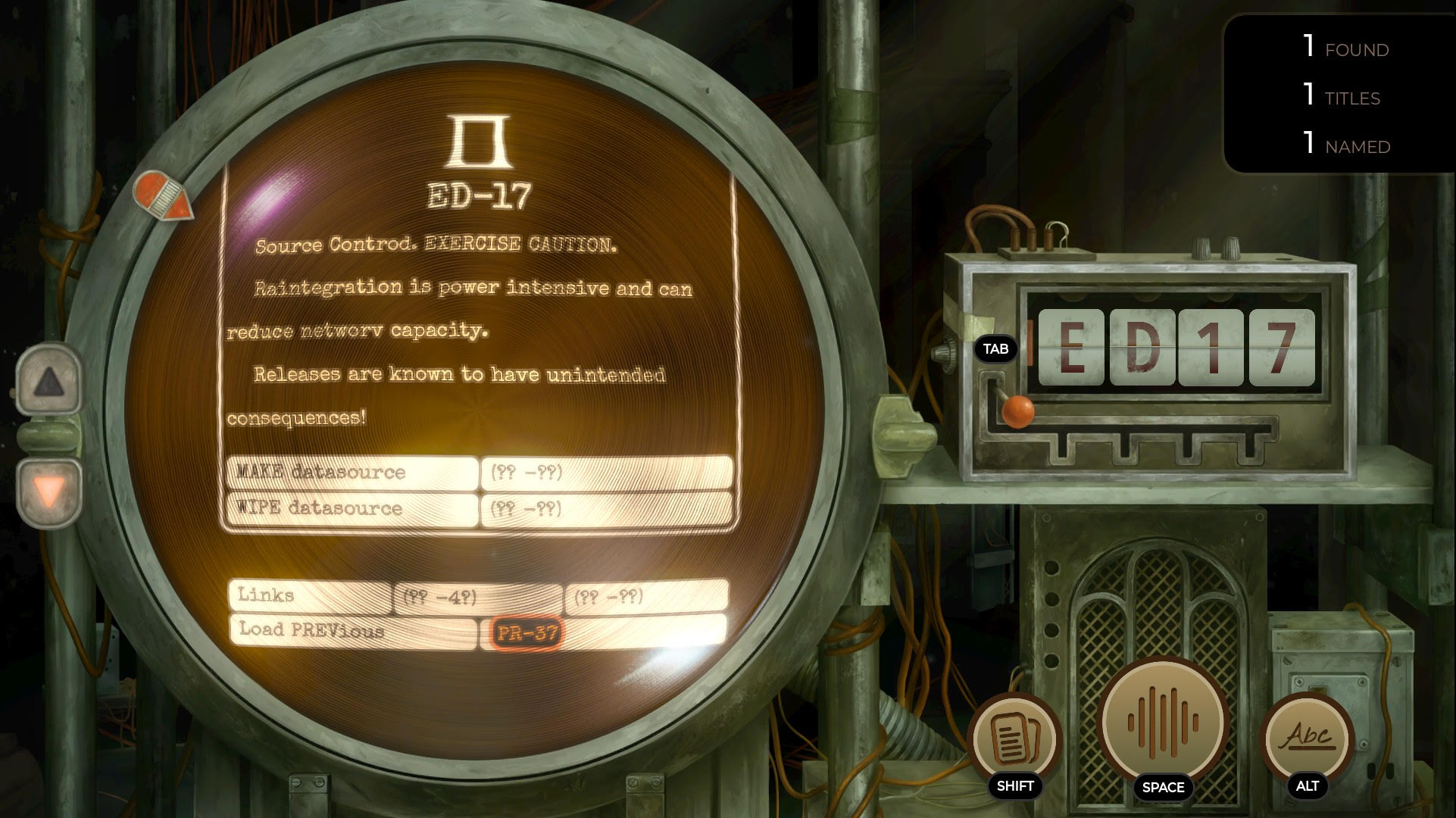
As I mentioned above, inkle provided me with a code in the first week of January to write this review. I did lose the first save that I had three hours in, but I’m honestly not sure if that was a game issue or one on my end. At the time, I was having issues with a few games, so I’m not calling that out as a negative.
In fact, the only thing I have to say against my experience was that they mention being able to talk to your handler at any time, but that wasn’t my experience. Though, as you play and explore, you can discover some interesting things in that regard.
Steam Deck: It hasn’t been officially verified on Deck, but after spending half of my play time on the Deck, I can attest that it works beautifully.
TR-49 is a game that felt made for me from the start. If you love puzzles, finding patterns, and untangling complicated webs, you’ll love it too. I felt beyond accomplished as I sifted through books, journals, and letters, slowly turning nonsense codes into “A ha!” moments as soldiers closed in on the other end of the line.
While the act of matching documents and codes you’ll come across is deeply satisfying in its own right, what truly shines in TR-49 is inkle’s attention to detail. Every text, author, and personal thread weaves together into a layered story that rewarded my curiosity, patience, and the three pages of notes I took while playing. I felt like Sherlock Holmes (and for that matter, Charlotte) as I untangled the complex web of literature at the heart of TR-49, and thanks to the game’s branching structure, that sense of discovery didn’t end when the credits rolled. Minor hiccups aside, TR-49 left me wanting to dive back in, if only to see what other truths the machine might still be hiding.