
It was 2017, long before the chaos of 2020, when I spent my Thursdays watching Critical Role’s first campaign. Among its many memorable moments were Liam’s Quest (Part 1 | Part 2), a two-part mini-campaign led by Liam O’Brien. It was a story that felt like a love letter to friendship, family, and the importance of telling people how you feel before it’s too late.
That same emotional thread is what ties Fishbowl together. The debut game from Rhea Gupte and Prateek Saxena at imissmyfriends, is also a love letter to connection, especially for anyone who felt alone and isolated during lockdowns and quarantines. For me, it was also a love letter to not only the eleven-year-old me who buried herself in books and writing stories after losing my grandmother on my birthday that year, but also the me in 2020, who spent most of that year struggling to carve out an identity outside of being mom to an adorable toddler while I was furloughed from my job.
Alo, Fishbowl’s purple-haired, poetic protagonist, begins the game in a new city with a new job, still grappling with the fresh guilt of not being there when her grandmother passed away from cancer. As you walk around her apartment, interacting with various items, you also get the impression that she believes she doesn’t belong there. (Imposter syndrome gang, rise up!)
I spent roughly 13 hours playing the game. While I played the first few hours of the game on my PC, I ended up playing the majority of Fishbowl on my Steam Deck. The game performed and played extremely well, even on my older, non-OLED model. (Added note: The game is officially “Steam Deck Verified”)
A package from her mother shows off one of the gameplay components of Fishbowl, a Tetris-like unpacking game that grew more complex in satisfying ways as it progressed. At the bottom of each box was an item that would unlock a core memory of Alo’s, as well as an entry in an in-game journal she’d fill out, sharing memories of the other items in the box. The in-game journal would also serve as your end-of-day reflection, tracking days and reflecting on them by choosing an option for how you were feeling.
Alo’s job as a video editor was one of the highlights. She works for Sitara, a Vidiyo (YouTube) star whom Alo and her friends watched growing up. Her co-workers were a delight. There were her fellow editors, including the bubbly and outgoing Menguzono, intern Bulbul, new parent Tashi, chai-lover Sunny, your immediate boss Iris, and even Sitara herself. A different part of Alo came out in each, and it was a joy to see that develop.
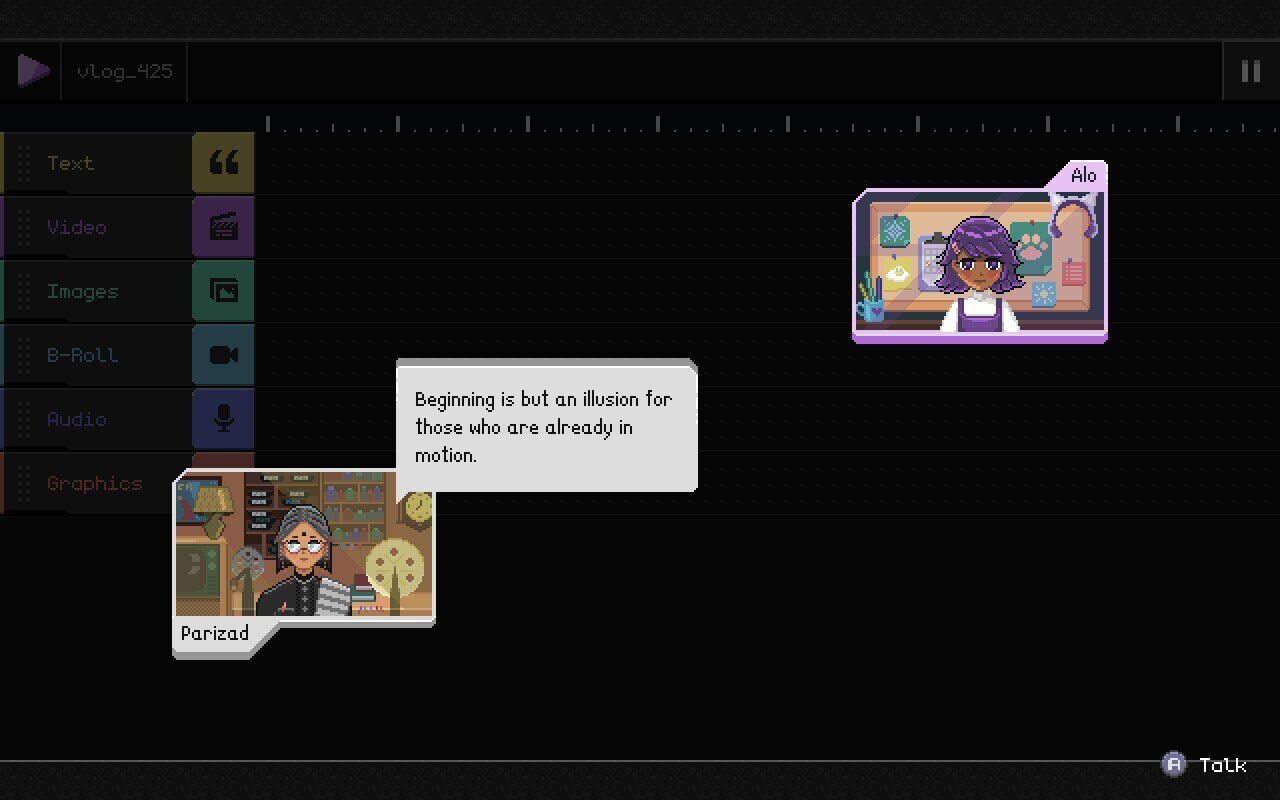
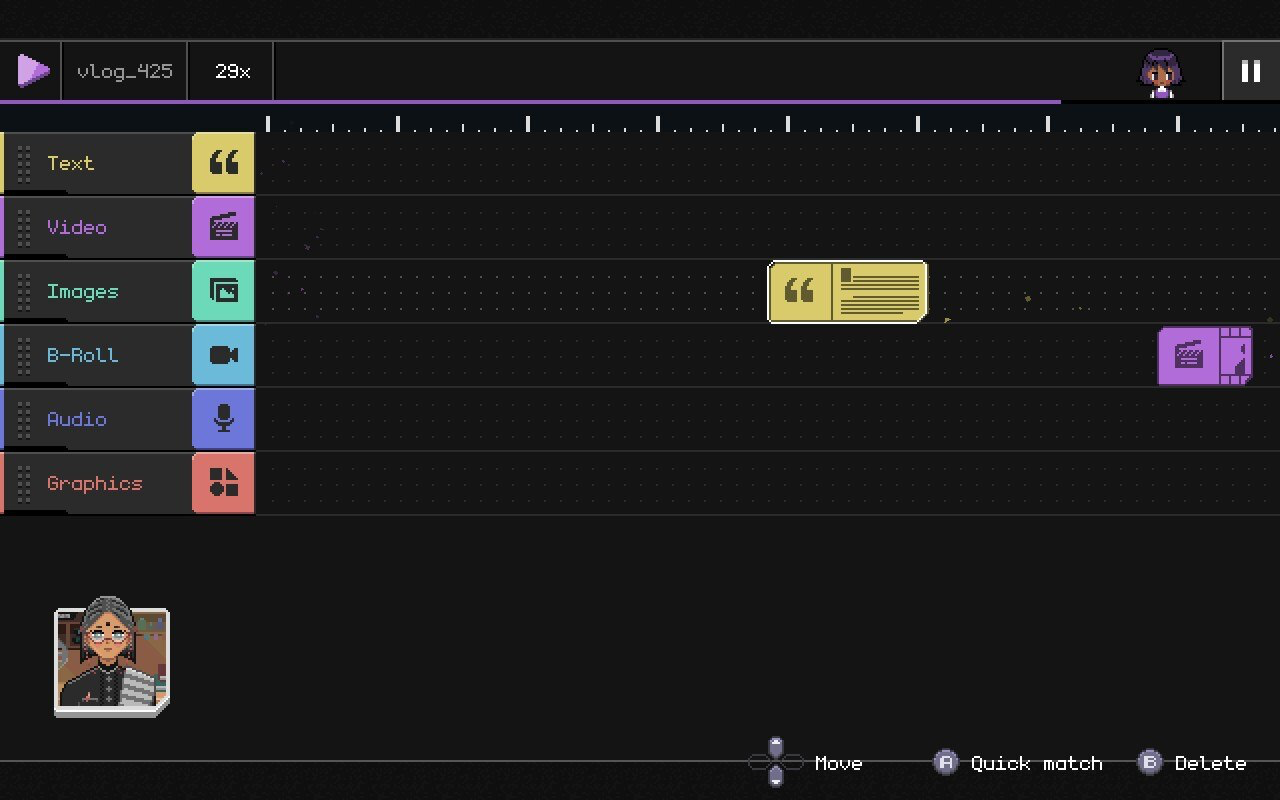
Her work consisted of a mini-game based on video editing; there were tracks for video, audio, B-roll, images, etc, and your goal was to match clips of each type to the correct track. This varied a bit as the game went on as well; in some instances, there were only three tracks to focus on, in others, five or six.
There would also be secondary objectives, like grabbing a note from a co-worker on a track, and depending on who you were working with, even power-ups like slo-mo. I wasn’t sure how I felt about this after playing the demo, but it quickly grew on me during the full game. (Once I had a talk with myself and said JUST BREATHE, that is.)

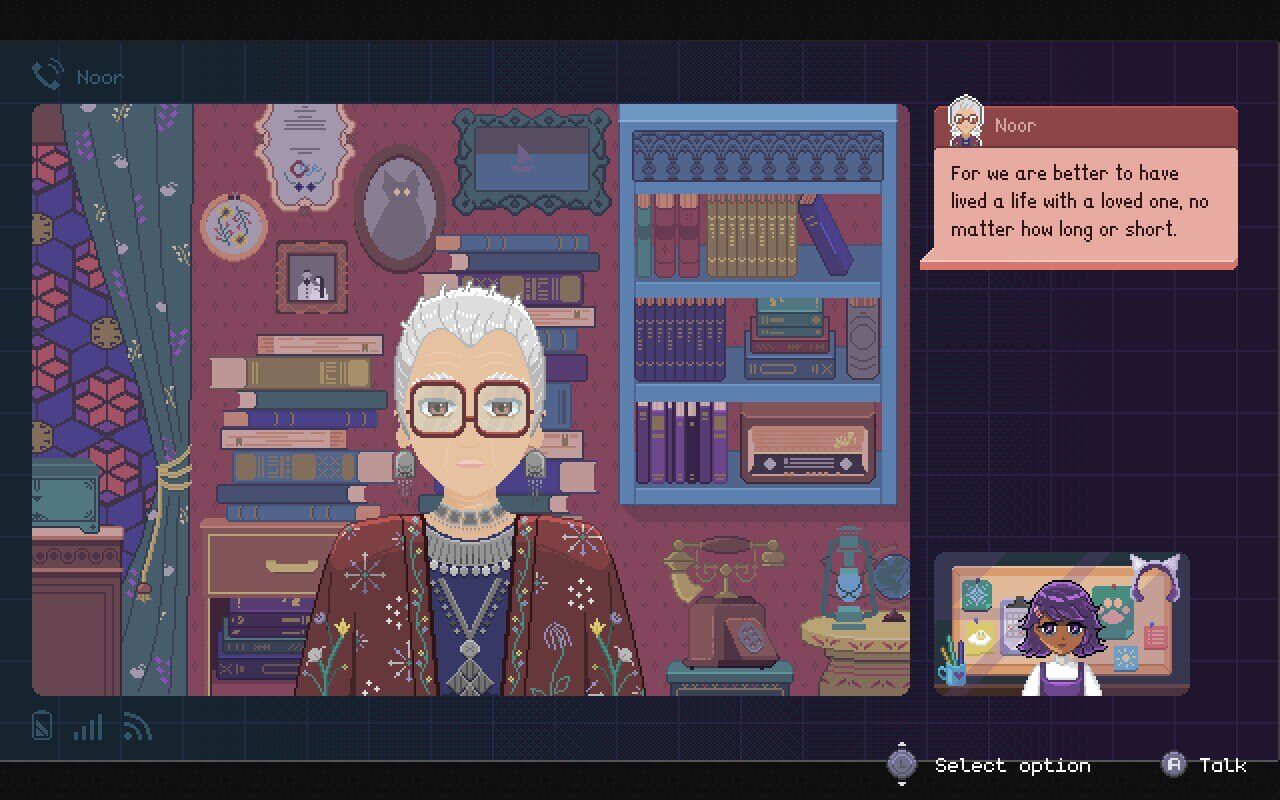
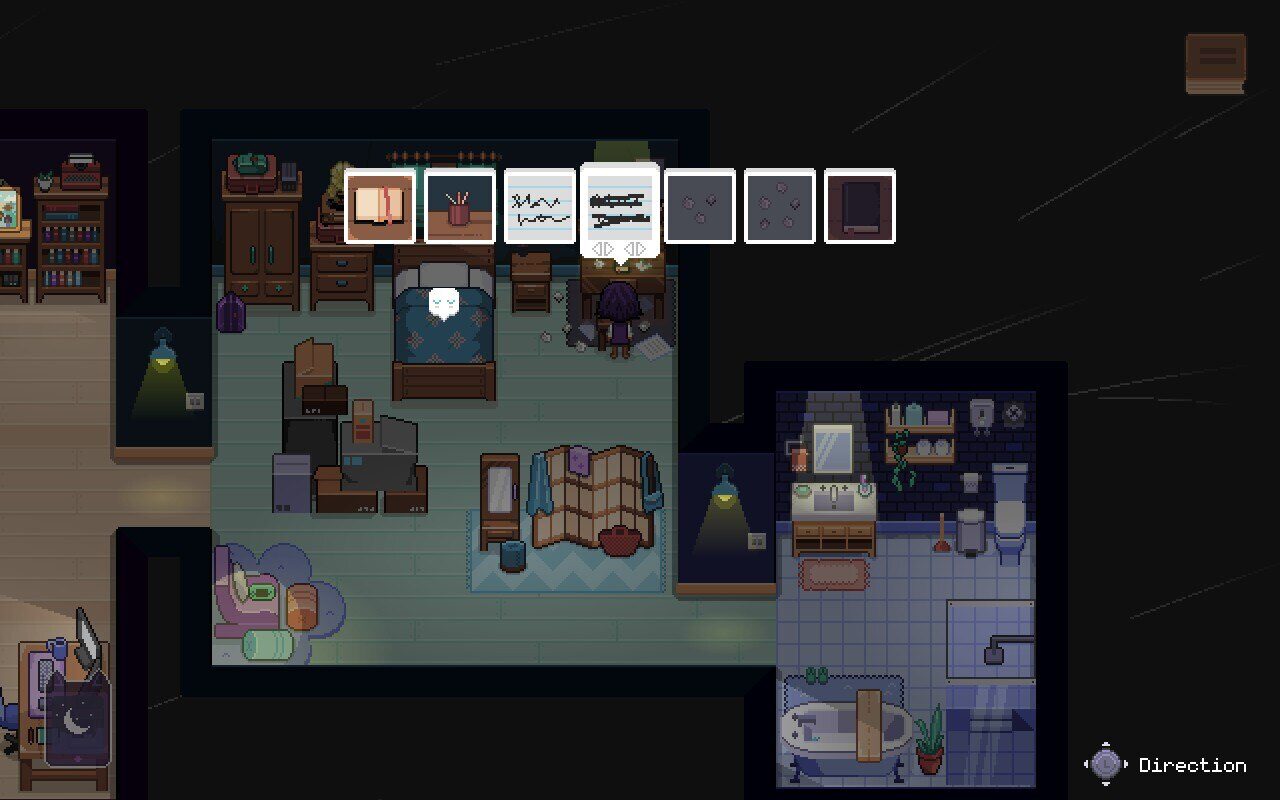

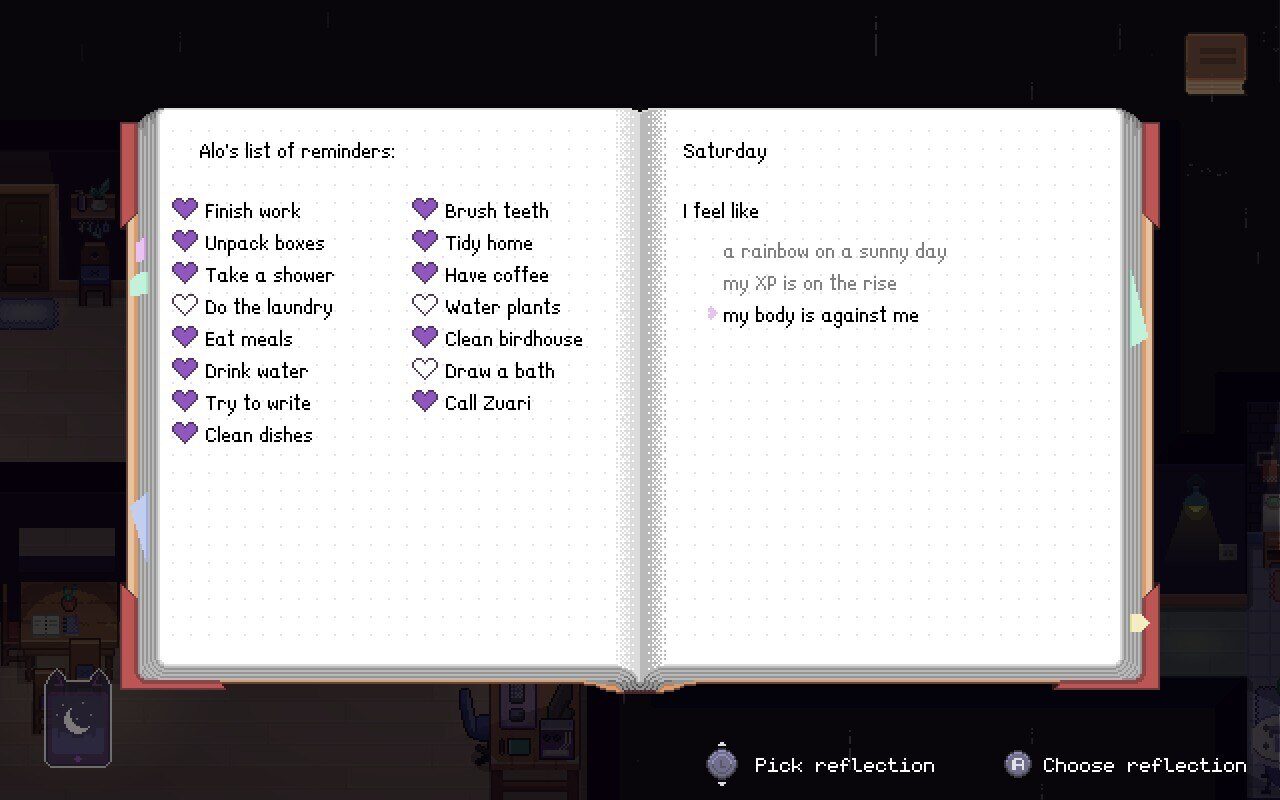
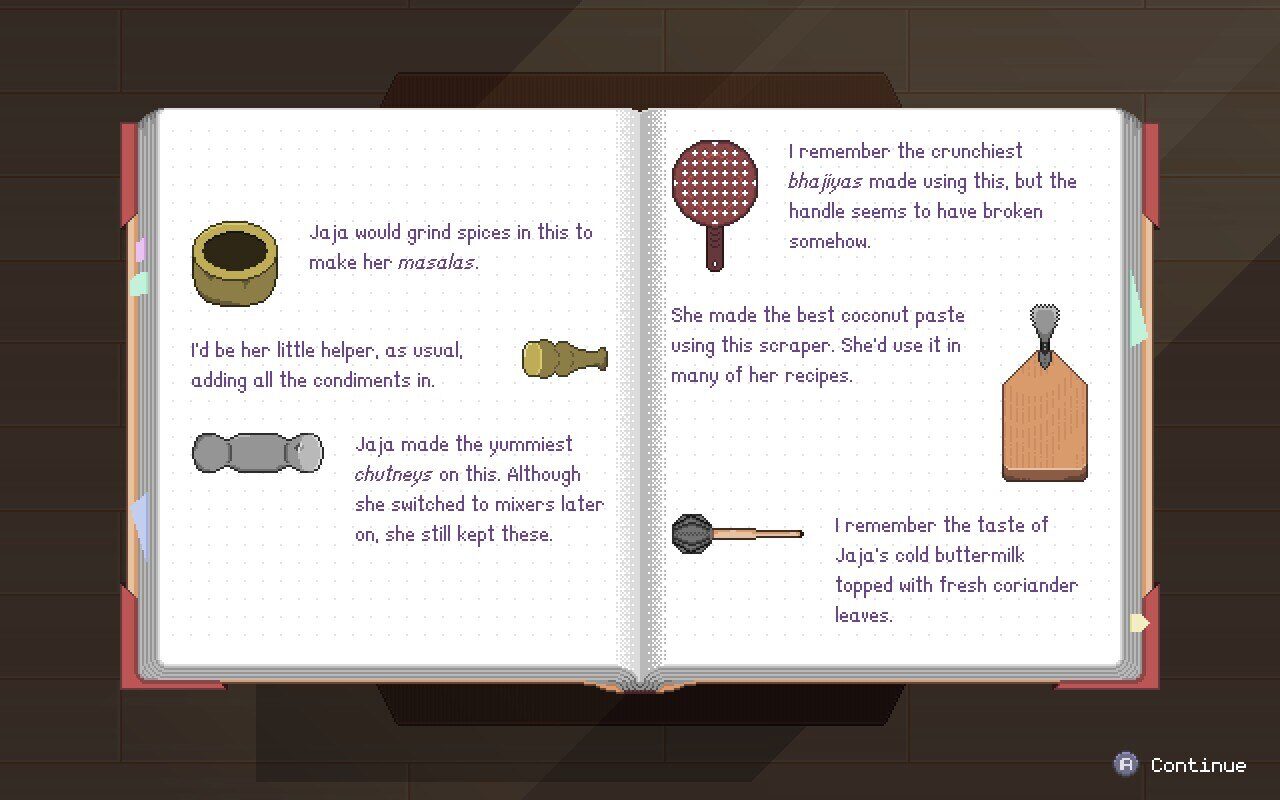
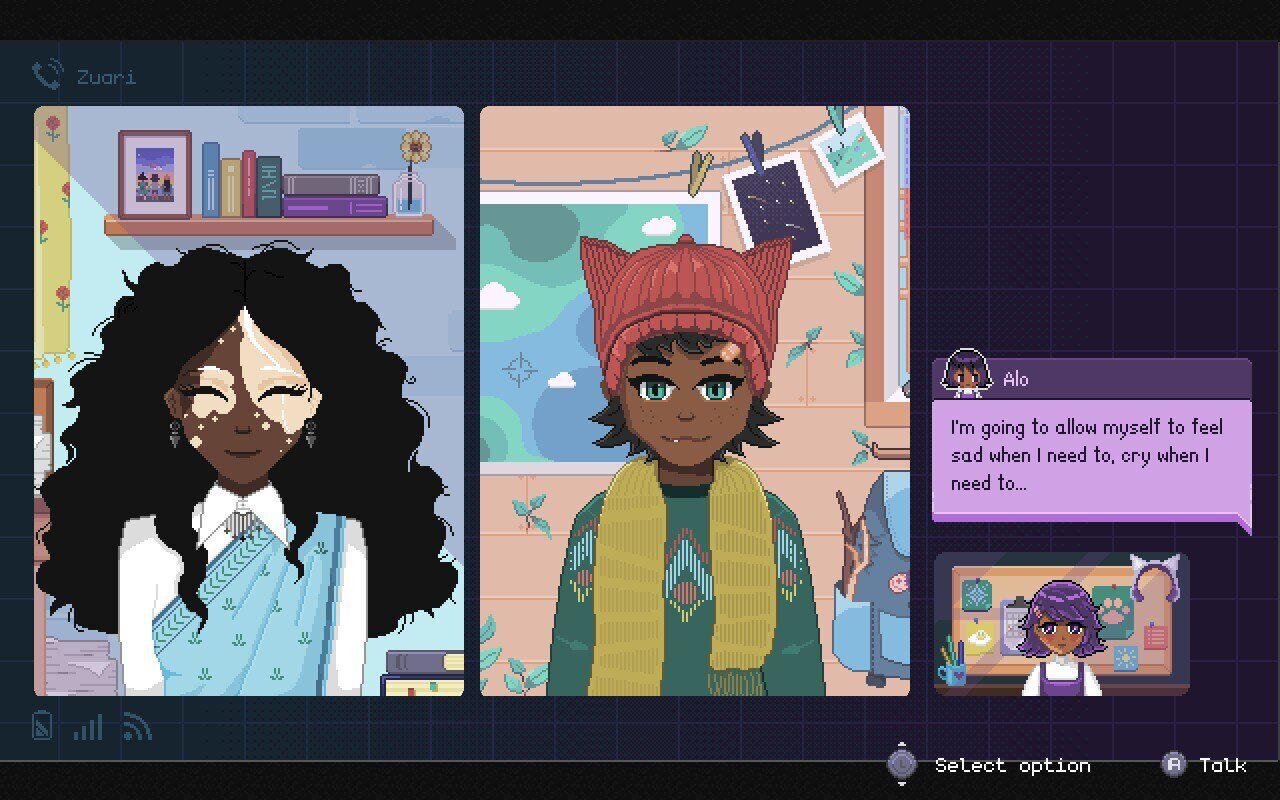
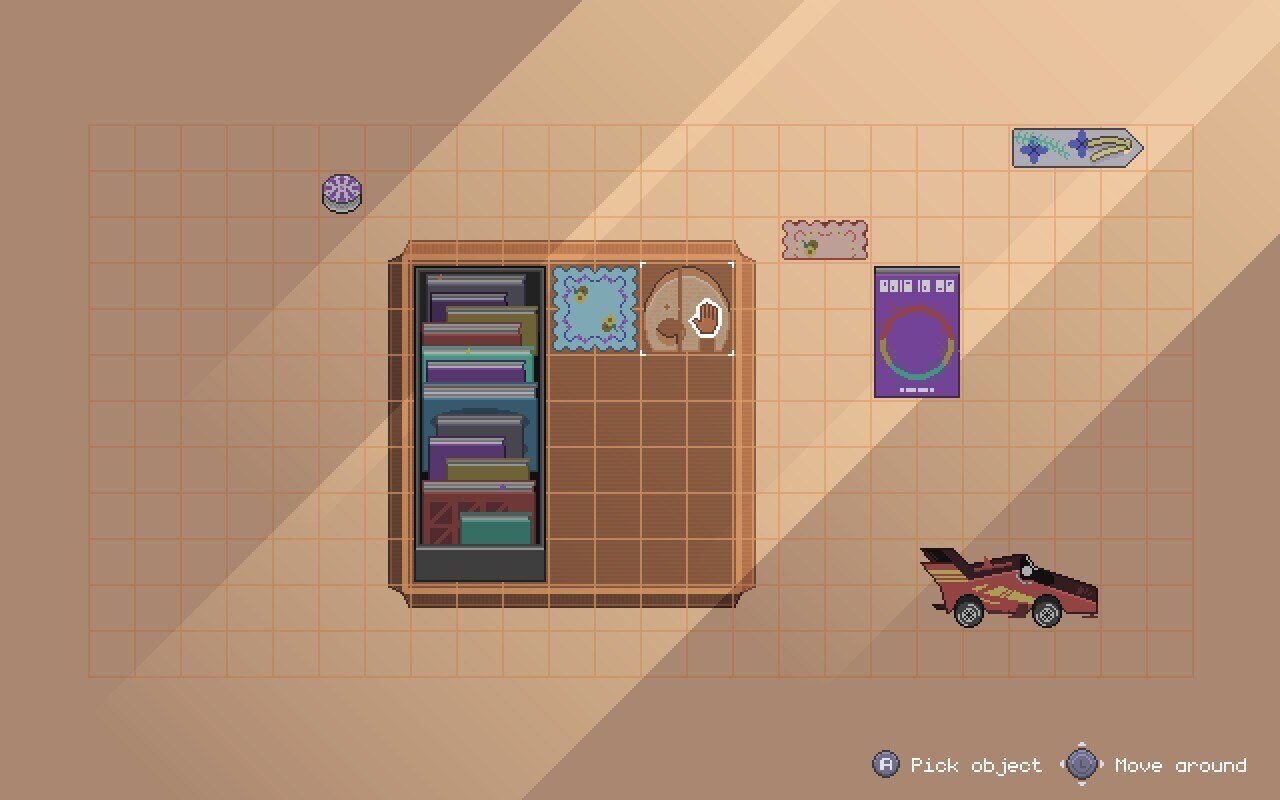
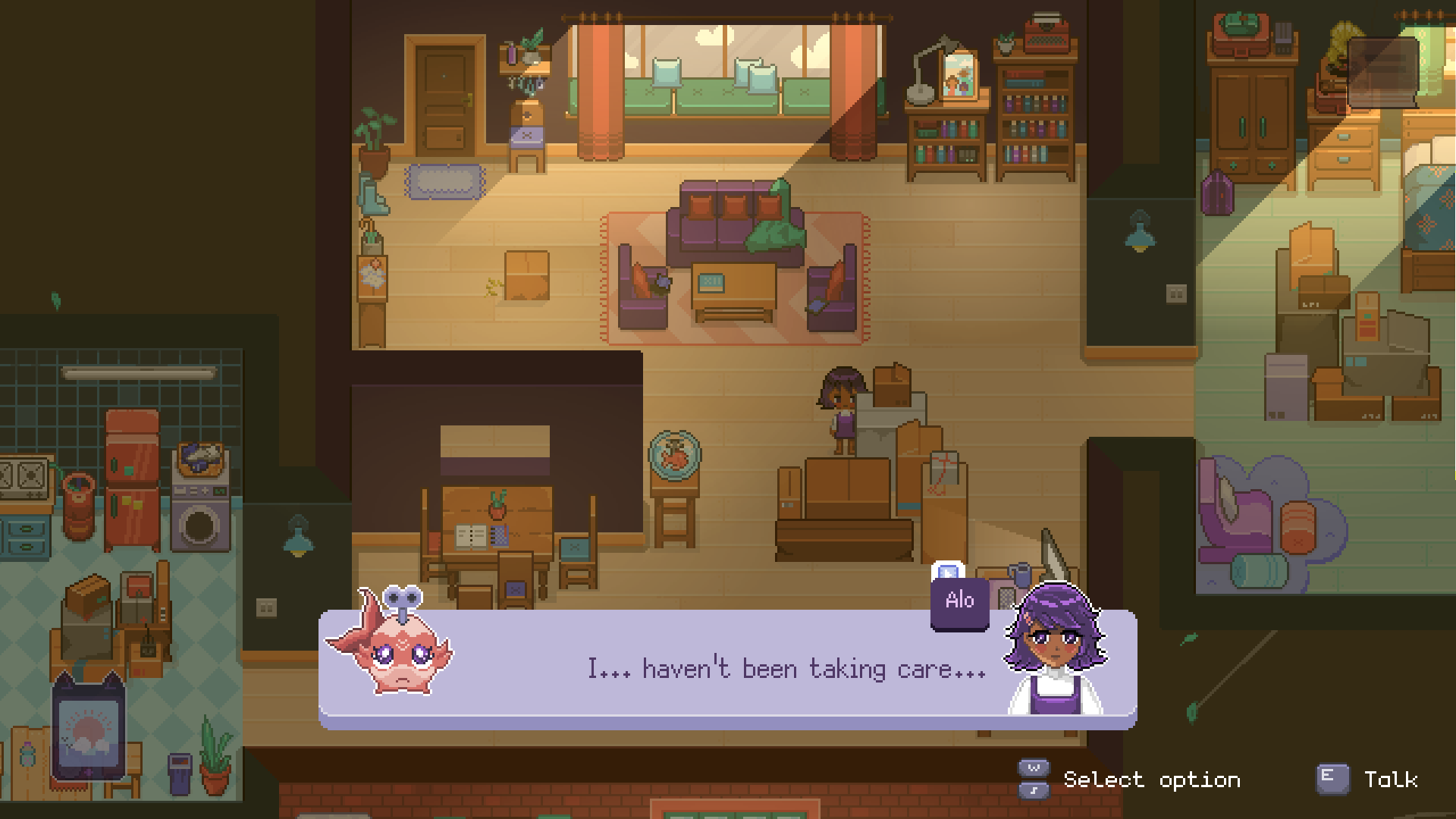
Outside of work, you’re obviously kept to your apartment. So how do you fill the day? You can unpack boxes of your grandmother’s things, learning about her life, your mother’s life, and even parts of your life that you’ve locked away.
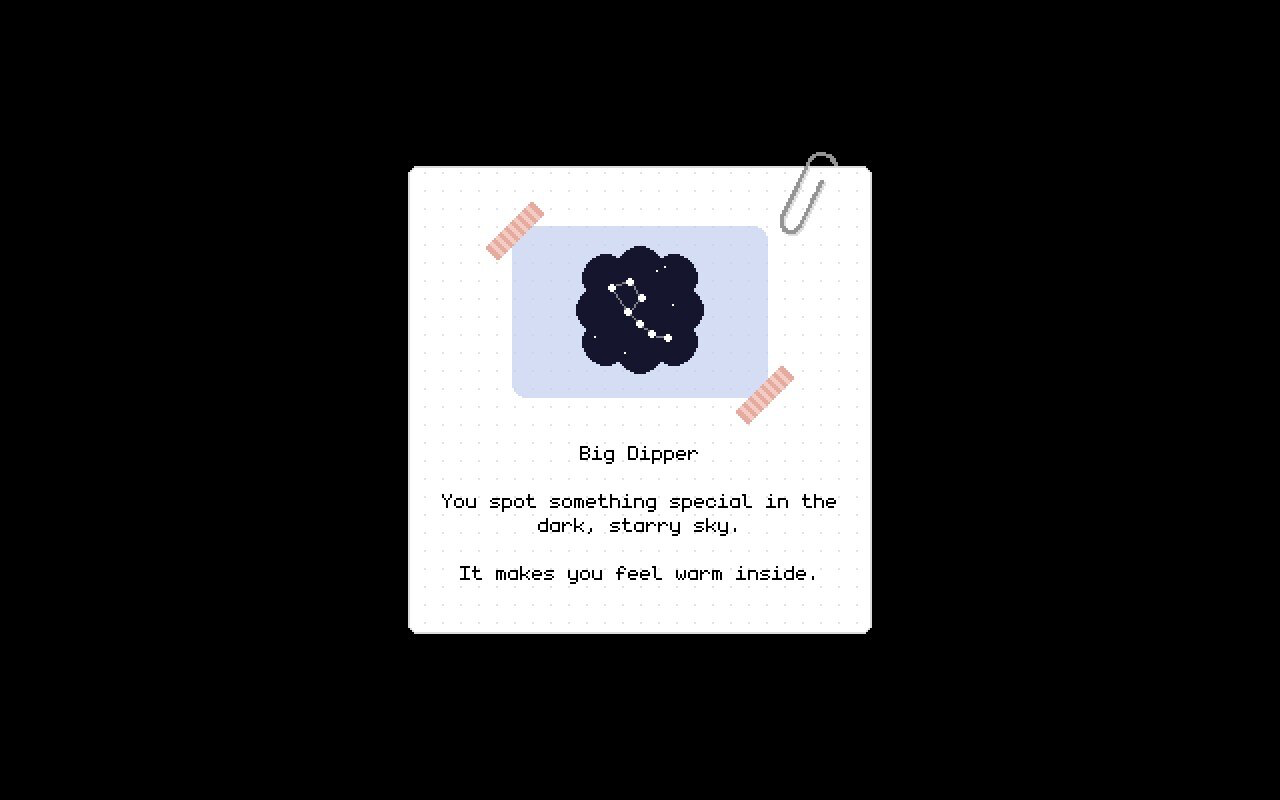
In addition, you can video chat with a scattered group of people: your mother, friends from home, and even your delightful landlady. Finally, you can also spend time taking care of things around your house, cleaning, doing dishes, drinking coffee, and, as the game progresses, even some stargazing and video game playing. All of it adds (or subtracts) from your overall mood bar, which changes branching dialogue options you have with others.
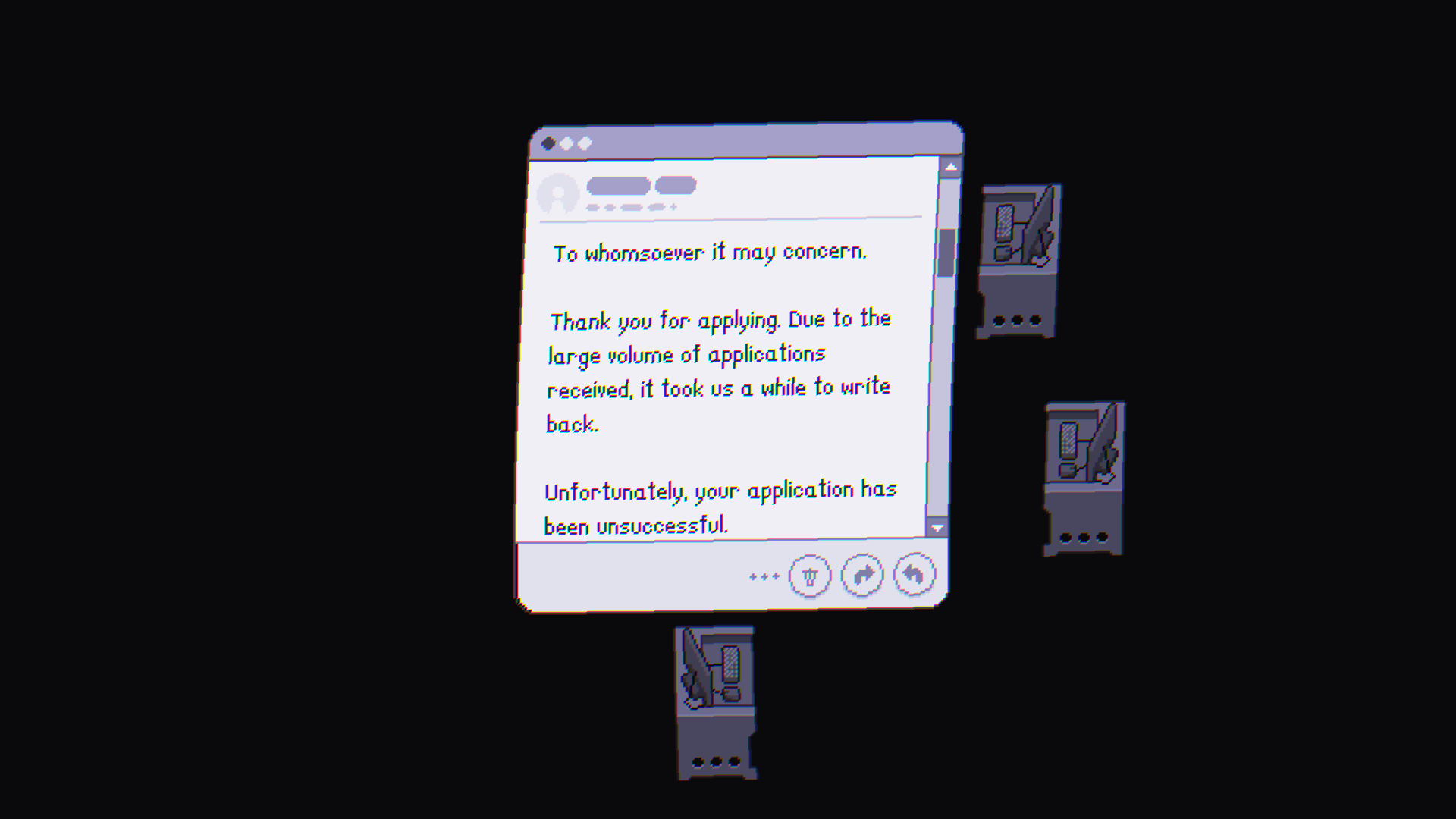
The end of Fishbowl also leads to revelations about her childhood and the end of Alo’s probationary period at Sitara. While I won’t discuss the outcome, I thought the path forward I chose for Alo was the best, especially in the unprecedented times the game is set in, and, like so many choice-based games, I wasn’t upset or immediately doubted my decision. I didn’t doubt any of the decisions I made in the game, for that matter.
Reflecting on the experience, Fishbowl felt like an intimate memoir, a slice-of-life portrait of so many of our lives during the beginning of 2020. My favorite kinds of entertainment are ones where I feel like I get to know the creators and ask questions about myself, and I feel like I’m getting to know myself again after spending a month with Alo. I can count on one hand the number of games that manage to feel this personal without losing their universal appeal, but Fishbowl succeeds in spades.
Fishbowl is the first game from Rhea and Prateek, and I sure hope it’s not the last.