

I went into Hope in the City expecting a relatively straightforward narrative adventure. In fact, I was anticipating something along the lines of a Life is Strange-esque experience. (Teenage girl with an artists’ eye, seemingly no adults in sight, moody lighting…)
What I wasn’t expecting was just how much darker, more complicated, and ultimately more important this little game would turn out to be.
At its heart, Hope in the City is a story about uncovering the truth behind what happened to 17-year-old Hope Song’s parents. And while I don’t want to give too much away, the subject matter ventures into some genuinely disturbing territory. The fact that this story is based on true events makes it all the more difficult to process, but also all the more important that it gets told.
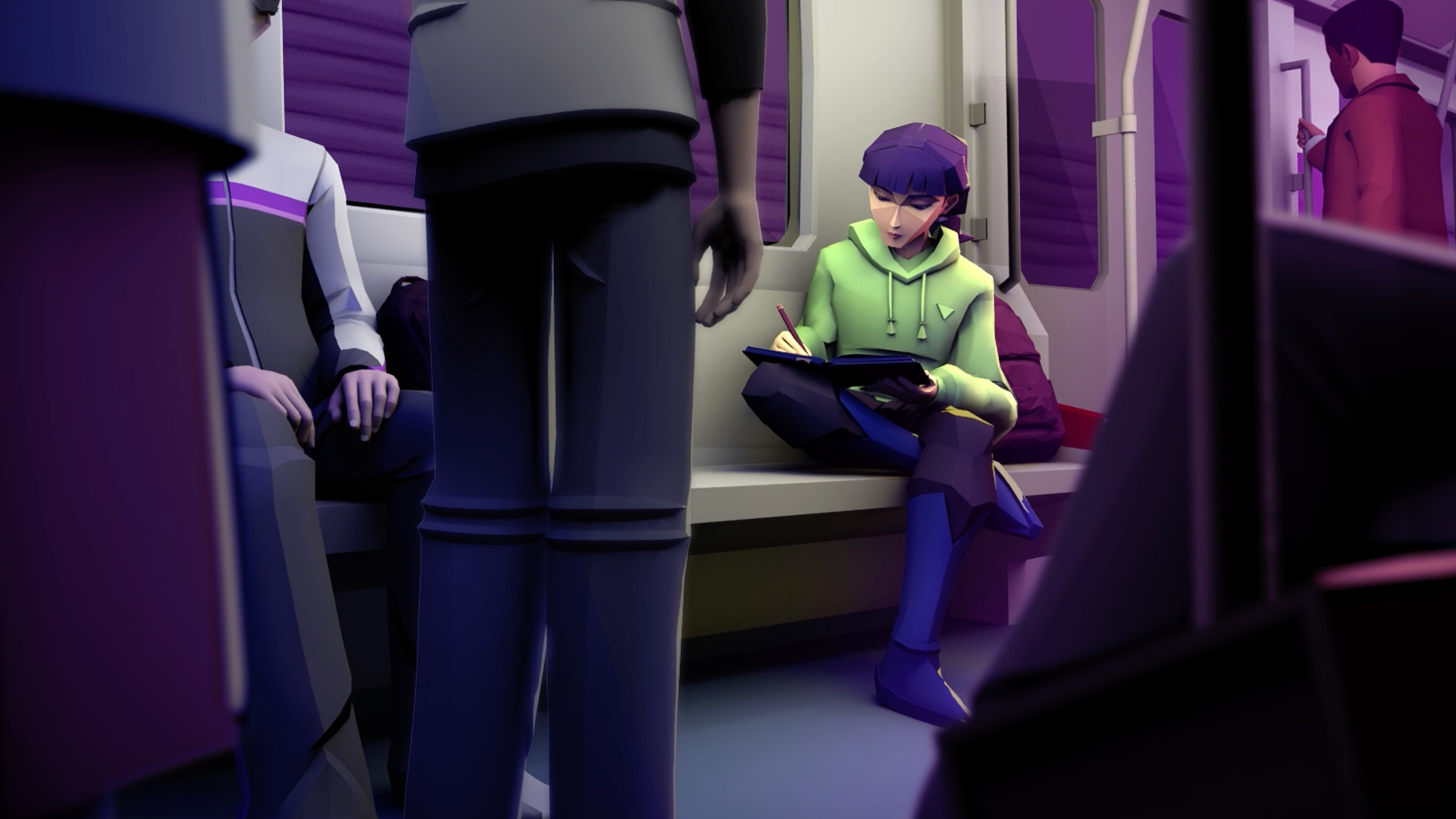
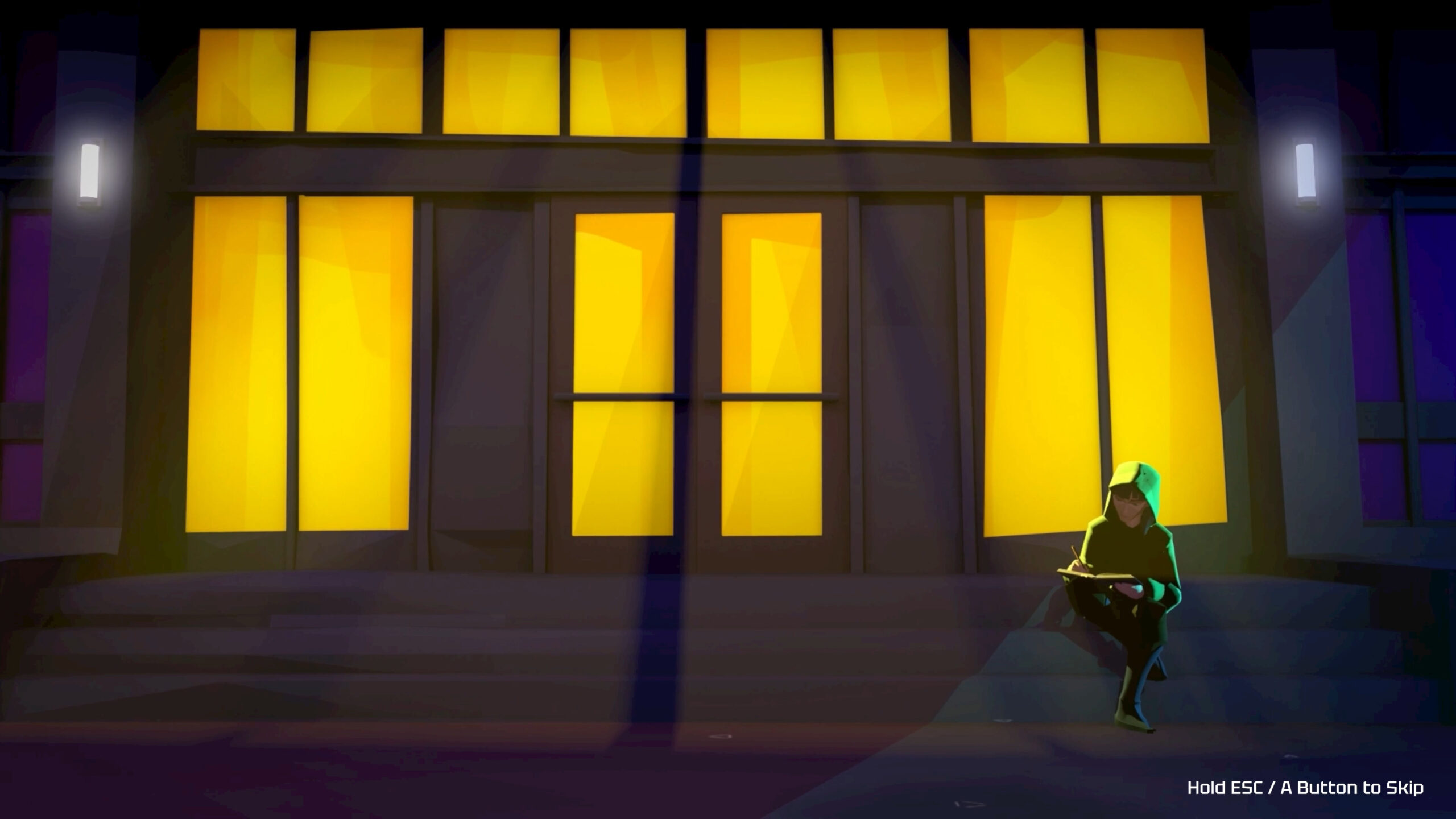
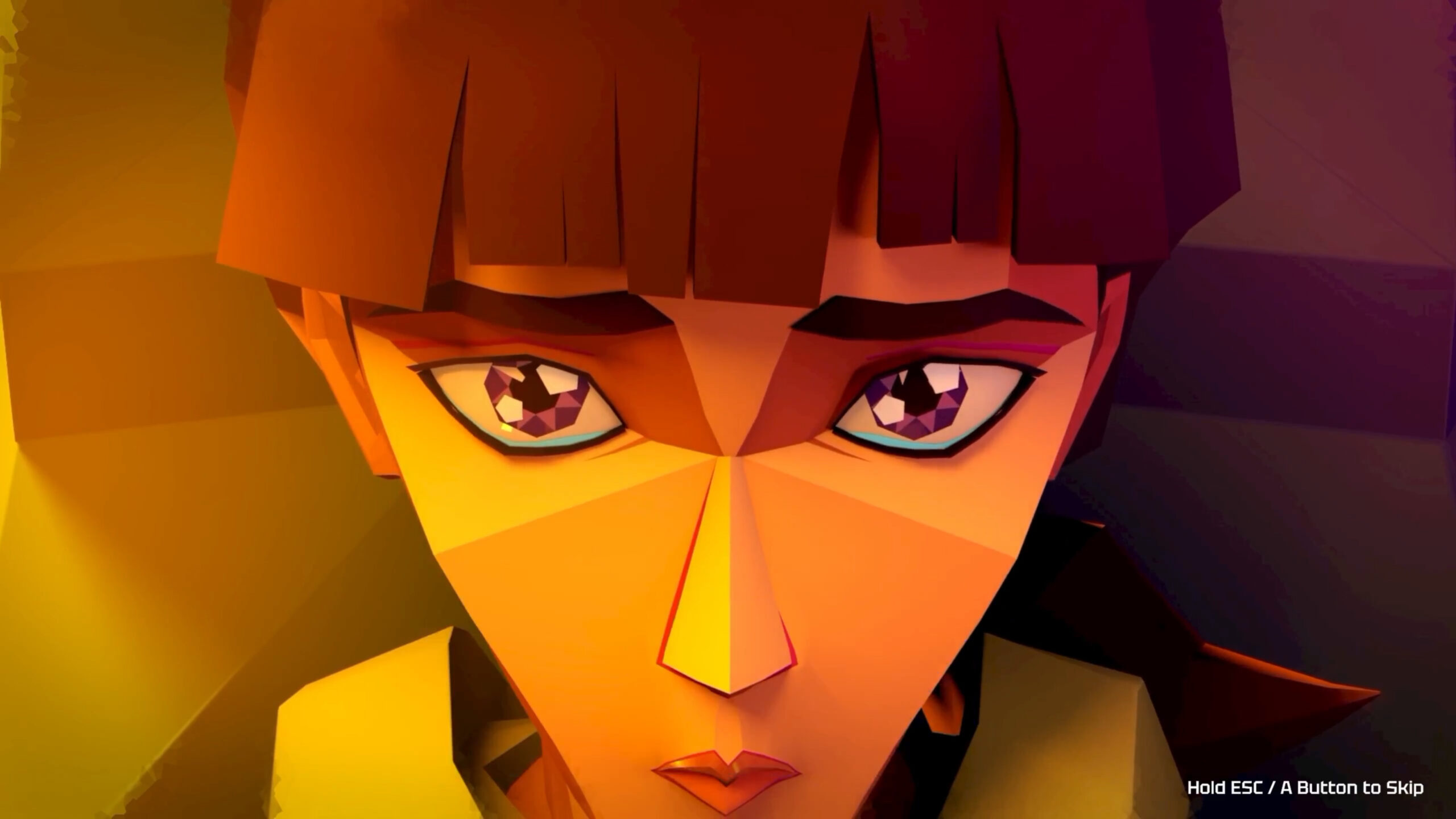
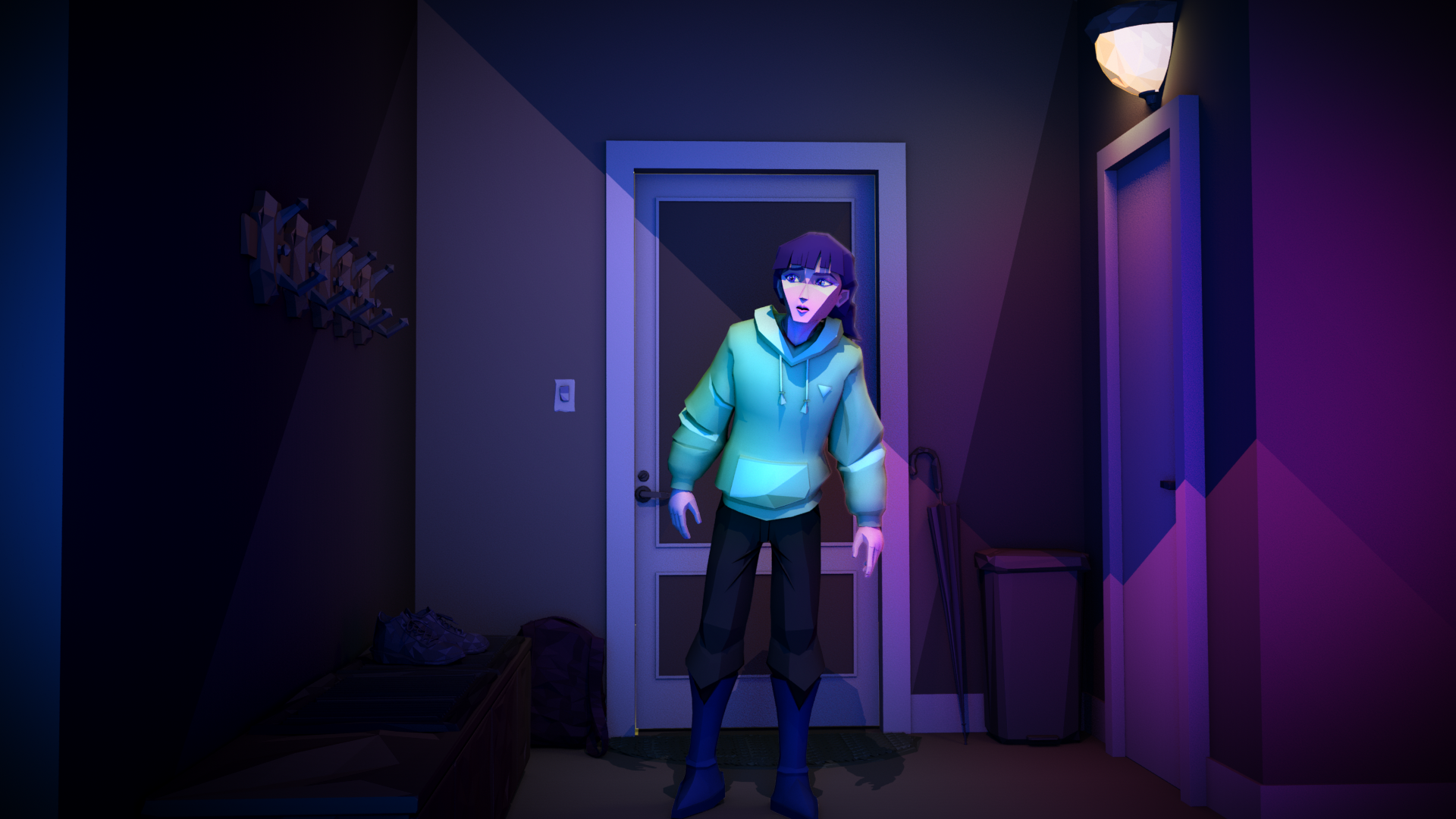
One of the things that immediately stood out to me was the art direction. The stylized graphics give the game a distinct visual identity, and I absolutely loved the overall aesthetic. But again, don’t let the art style fool you into thinking this is a simple experience.
Even with its stylized presentation, the cutscenes manage to convey an impressive amount of emotion, especially towards the end of the game. There’s a real weight to the moments that unfold, and the visuals do a wonderful job of supporting the story without needing to spell everything out. The game features voice acting as well, which really helped sell the story and Hope as a compelling character.
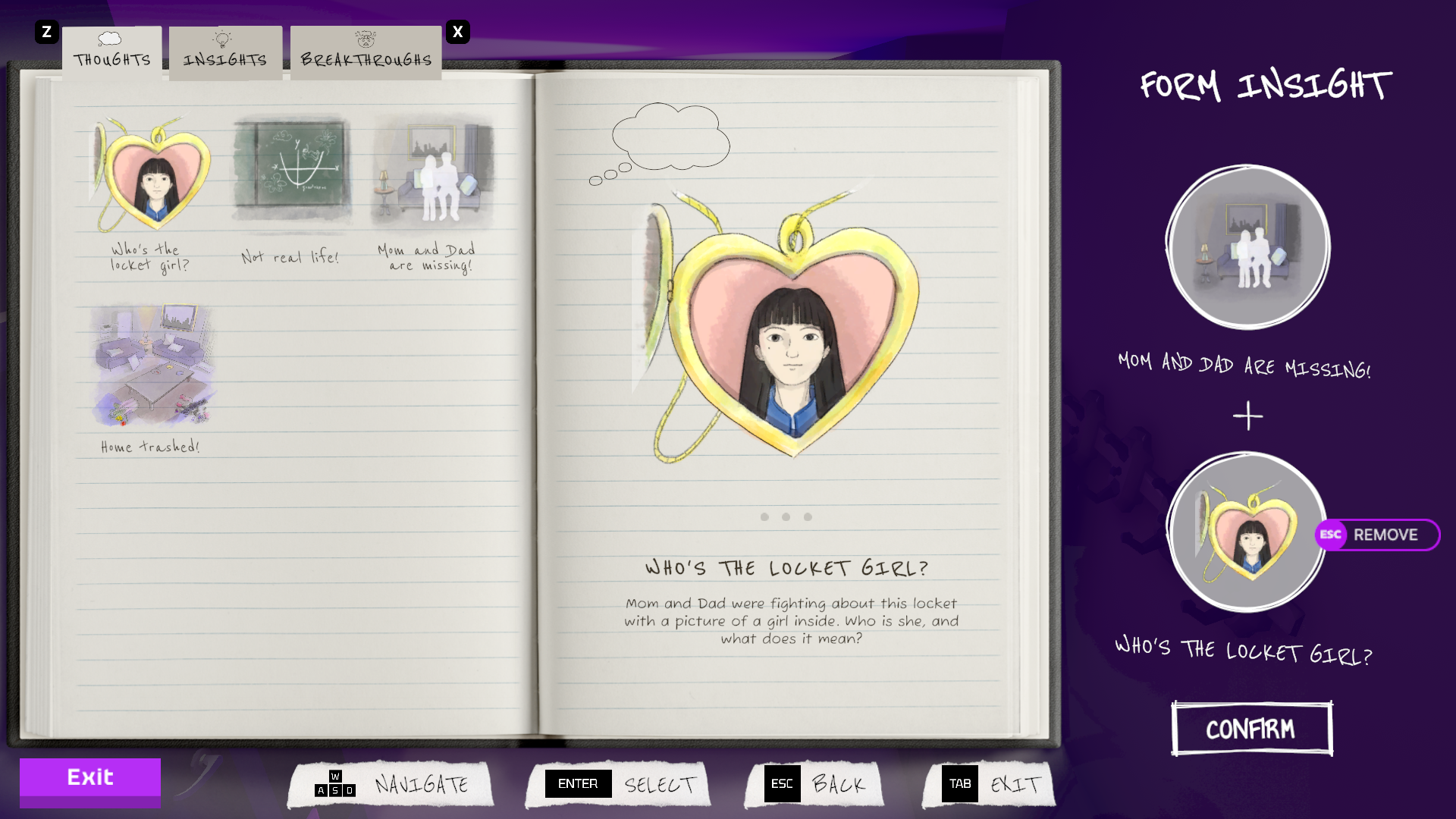
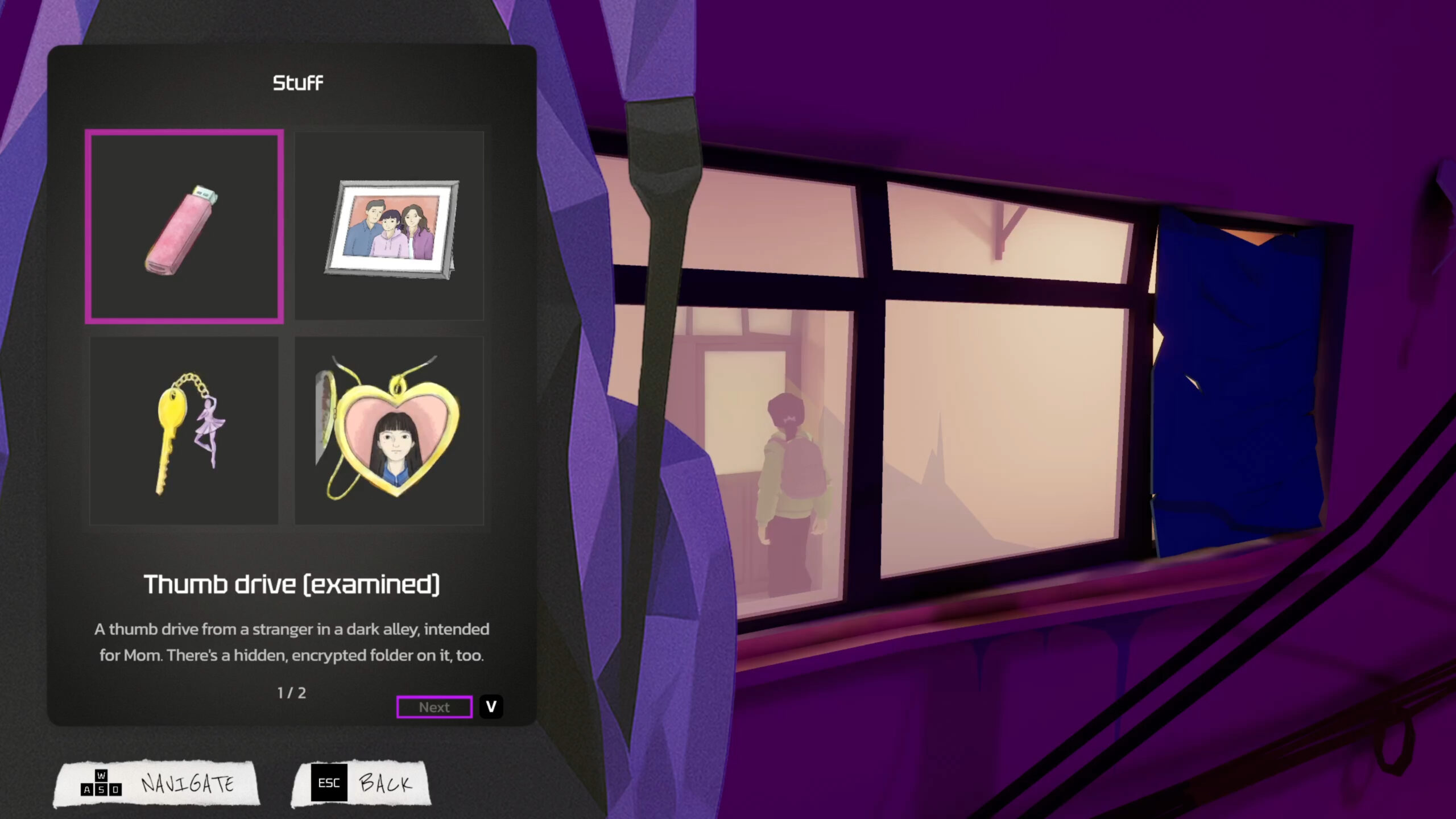
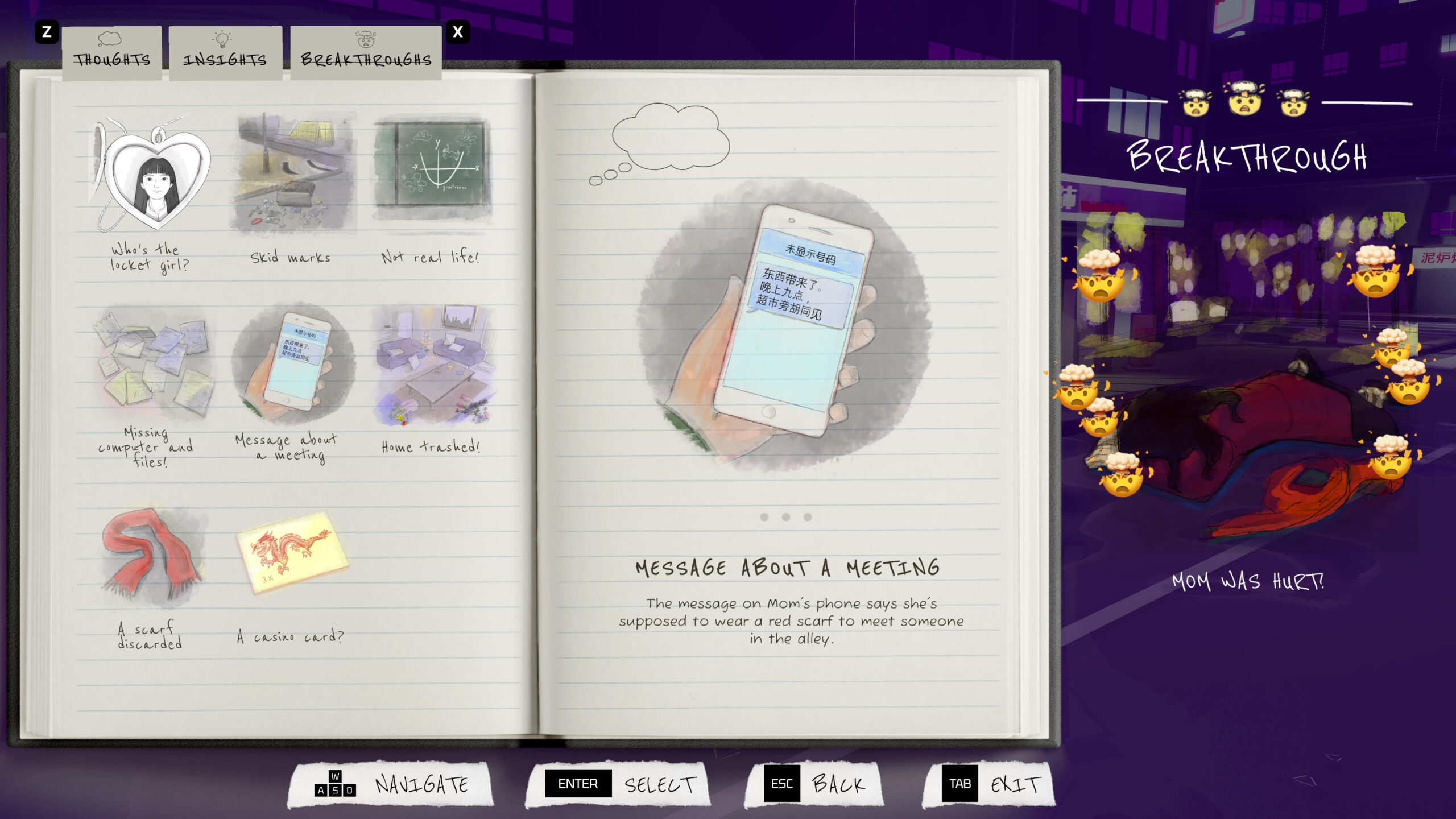
The detective mechanics were another highlight. Rather than simply following a series of breadcrumbs, you’re tasked with piecing together information through Hope’s sketches. From there, you’ll combine observations into insights, and insights in breakthroughs. It’s a clever way of making the player feel like they’re actively participating in the investigation rather than simply watching it happen. As the picture of what’s really going on gradually takes shape, the revelations become increasingly unsettling, and you discover just how wrong you were about what’s happening.
There’s also potentially some replay value here. During my first playthrough, I noticed a location on the map that I never actually visited. That left me curious about what I might have missed and whether there are additional discoveries waiting for players willing to explore a little more thoroughly.

On the technical side, I had a few minor frustrations with the fixed camera. There were moments when the camera positioning made it surprisingly difficult to see where I needed to walk, which occasionally made navigating the environment feel more awkward than it should. Thankfully, this wasn’t a constant issue, and the game otherwise played quite nicely. I also had a good experience playing on Steam Deck, which is always a nice bonus.
My biggest hesitation is the length. My first playthrough clocked in at approximately two and a half hours. For a game priced at $20, that’s a relatively short experience, and I think prospective players should keep that in mind. There may be more to uncover on subsequent playthroughs, but the initial experience is undeniably brief.
Still, Hope in the City left an impression on me. I came in expecting a familiar narrative adventure and walked away having experienced something much heavier than anticipated. It’s not necessarily a long game, nor is it without a few rough edges, but it tackles an important subject with a visual style and storytelling approach that make it worth paying attention to.
Sometimes, the stories that stay with us aren’t necessarily the ones we’re expecting to hear.
Thanks for reading! If you’d like to help out around the Cafe, I’ve started a Ko-Fi that I’ve been reasonably ‘okay’ with updating. It’s simple. You can donate however much you feel once, or monthly. Head over to https://ko-fi.com/theindiegamecafe to check it out! (And hey, I’m always open to ideas of different ways to make it better -Amanda